Market news
Tashkent Real Estate Investment: Is It Still Relevant Now?
Investing in Tashkent real estate is still relevant in 2026, but returns increasingly depend not on the act of buying itself, but on choosing the right district, asset type, and exit strategy.
Author: Lika
Published: February 12, 2026
Views: 0
Investing in Tashkent real estate remains one of the clearest ways to preserve capital, but the market now requires a more precise approach. The simple idea that “any apartment will rise in value on its own” works less and less. Results now depend much more on where the property is located, how liquid it is, who will rent or buy it later, and what additional costs appear after the deal.
Which properties attract investors now
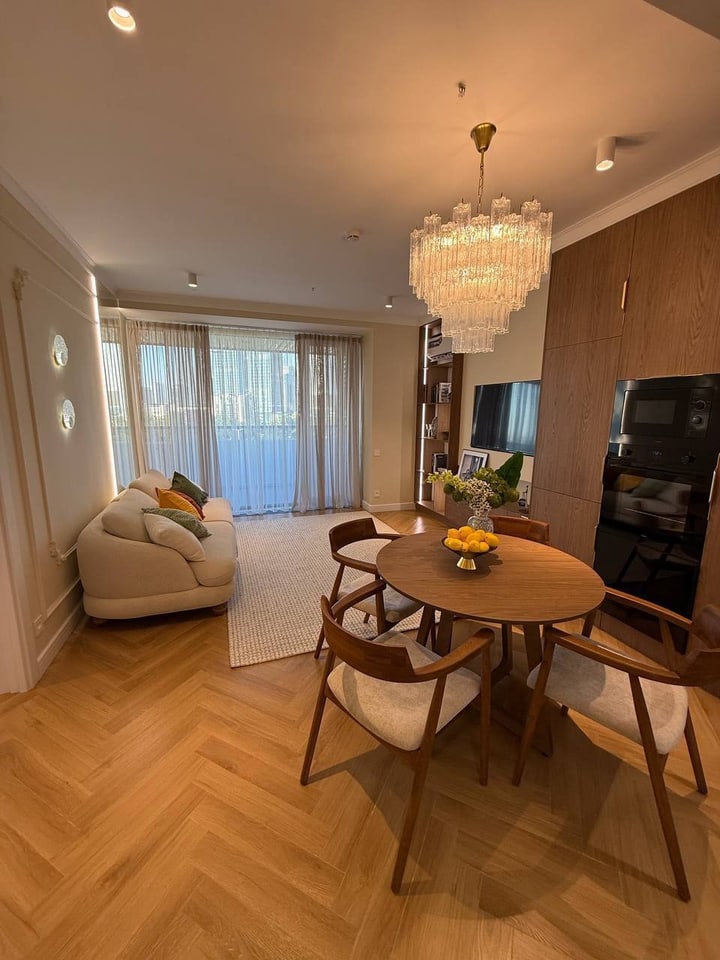
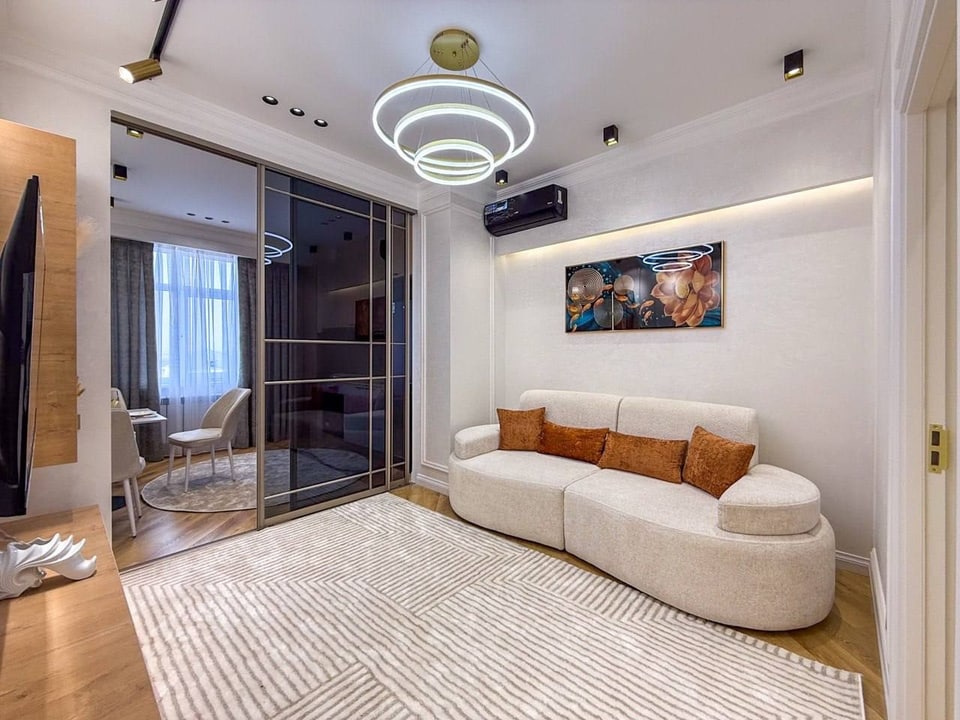
The strongest interest still centers on one- and two-room apartments with practical, flexible layouts. They are easier to rent out, they appeal to a broader pool of buyers, and that usually means a faster exit. Properties near metro stations, in districts with stable rental demand, and in newer residential projects with a clear management environment and modern infrastructure tend to perform better.
Off-plan apartments in the early construction stage also remain a popular strategy for investors willing to wait. With the right project, value can grow by the time the building is completed. However, the developer’s reputation, deadlines, legal transparency, and actual project quality are especially important here.
The most common investment strategies
Most investors in Tashkent usually choose one of three models:
- buying during construction and targeting price growth after completion;
- buying a finished apartment for rental income and regular cash flow;
- buying a liquid property for resale after renovation, market growth, or a shift in demand.
Each strategy follows its own logic. For rental properties, location convenience, transport access, and target audience matter most. For resale, the entry price and future marketability are more important. For off-plan purchases, the key issue is project reliability and delivery timing.
Where investors make mistakes
One of the most common mistakes is focusing only on a low entry price. A cheap property is not always a good property. If the district is weak, rental demand is unstable, the layout is inconvenient, or the building raises concerns, that asset may sit vacant for a long time or take too long to resell.
Another mistake is calculating returns without renovation, furniture, taxes, commissions, vacancy periods, and ongoing maintenance costs. On paper the numbers may look attractive, but the real result can be much smaller. That is why an investment should be evaluated as a full financial model, not just by the purchase price.
What to review before buying
Before entering a deal, it is worth checking:
- district liquidity and real demand;
- the developer’s reputation or the condition of the resale building;
- documents, deadlines, and possible legal risks;
- the exit scenario: rental, resale, or long-term hold;
- the real amount of additional post-purchase investment.
Conclusion
Real estate investment in Tashkent remains relevant in 2026 if it is treated as a calculated project rather than an emotional purchase. The most stable results usually come from understandable properties in strong districts where both tenant demand and future buyer demand already exist.
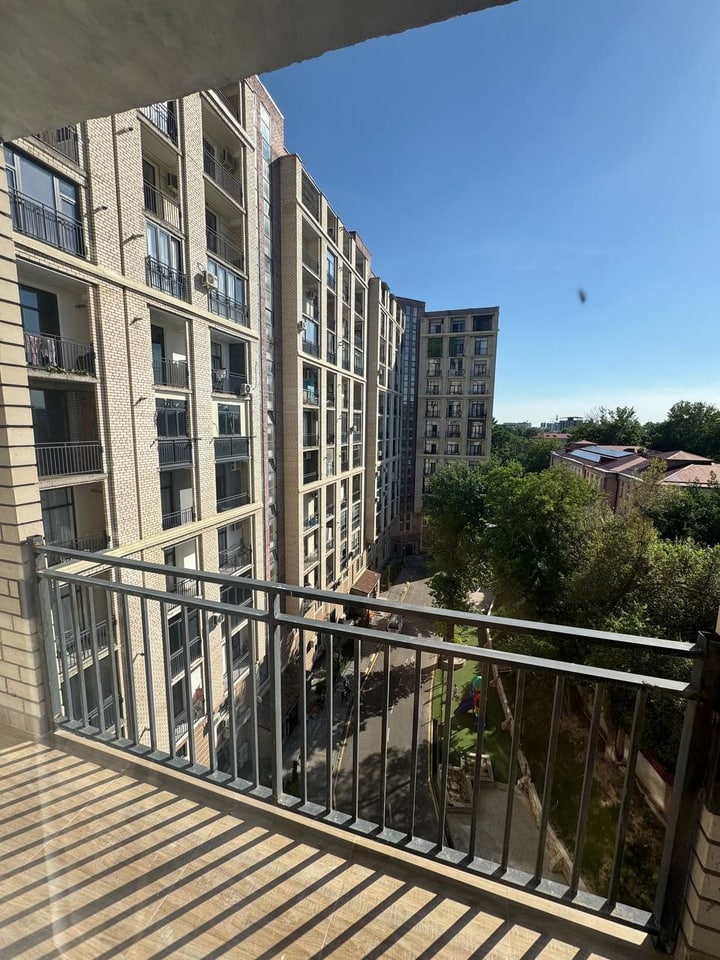
A strong investment is not just an apartment with a nice view. It is an asset that makes sense in numbers: why someone will buy it, who will rent it, and what will help it preserve or increase its value over time.