Market news
Apartments in Tashkent 2026: how the demand structure is changing and which housing formats are growing faster than the market
Tashkent’s residential real estate market in 2026 has ceased to be homogeneous. Apartments no longer compete “in general” — the market has split into segments with different demand dynamics, profitability, and value growth. Today, it is important to understand not simply “which apartment to buy,” but which segment you are in and how it will behave over the next 3–5 years.
Author: Lika
Published: May 06, 2026
Views: 0
Market Segmentation: A New Reality
The apartment market in Tashkent can be broadly divided into four key segments: Micro-apartments (up to 40 m²)
Functional apartments (40–70 m²)
Family-format apartments (70–120 m²)
Premium and large apartments (120+ m²) Each segment has its own economics, audience, and investment dynamics.
1. Micro-apartments: the leader in liquidity Compact apartments are becoming one of the most in-demand formats.
Reasons: low entry threshold
high rental demand
quick resale The main buyer is an investor or a young professional.
Distinctive feature: The price per m² is above the market average, but the absolute cost makes the property highly liquid.
2. Functional apartments: a balance of demand and comfort The format of 1–2-room apartments with well-thought-out layouts is now considered the “golden middle.”
Advantages: versatility
stable demand
flexibility of use (live / rent out / resell) This segment shows the most stable performance without sharp fluctuations.
3. Family apartments: pressure on liquidity
Apartments of 70–120 m² are facing a new reality: rising purchase budgets
reduced mortgage affordability
changing lifestyle patterns Demand remains, but it is becoming more selective.
What matters: functional layout
parking availability
family-friendly infrastructure Without these factors, liquidity drops sharply.
4. Premium segment: a market of image and capital Large apartments and premium properties form a separate market.
Different factors matter here: project status
architecture
level of service
privacy The buyer is not mass-market, but highly targeted. Transactions occur less frequently, but with high margins. The New Role of Layout In 2026, layout became one of the key value drivers.
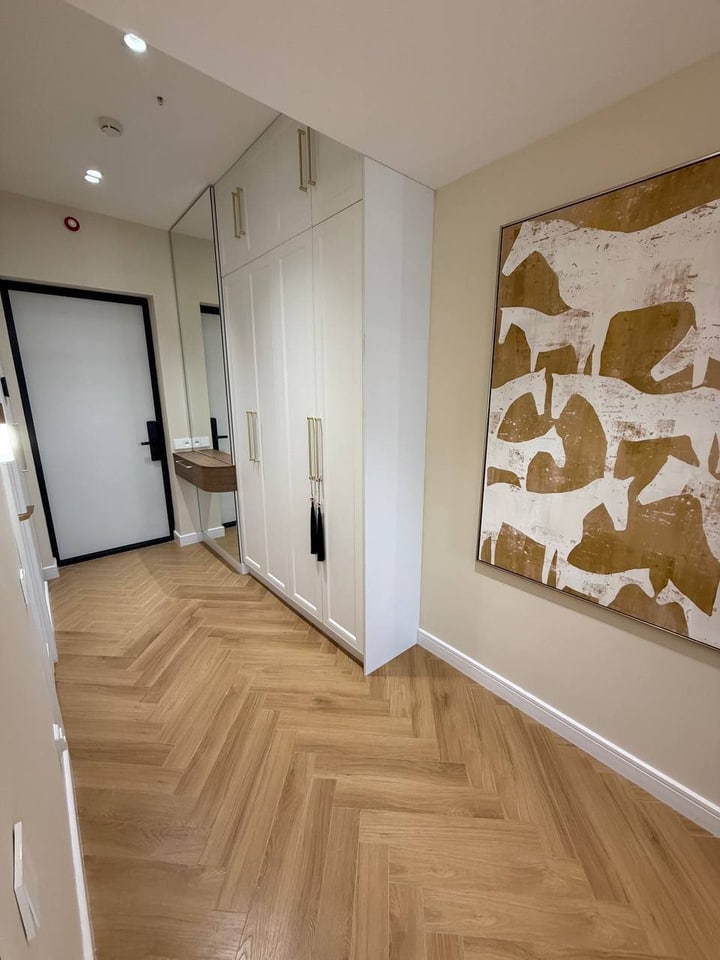
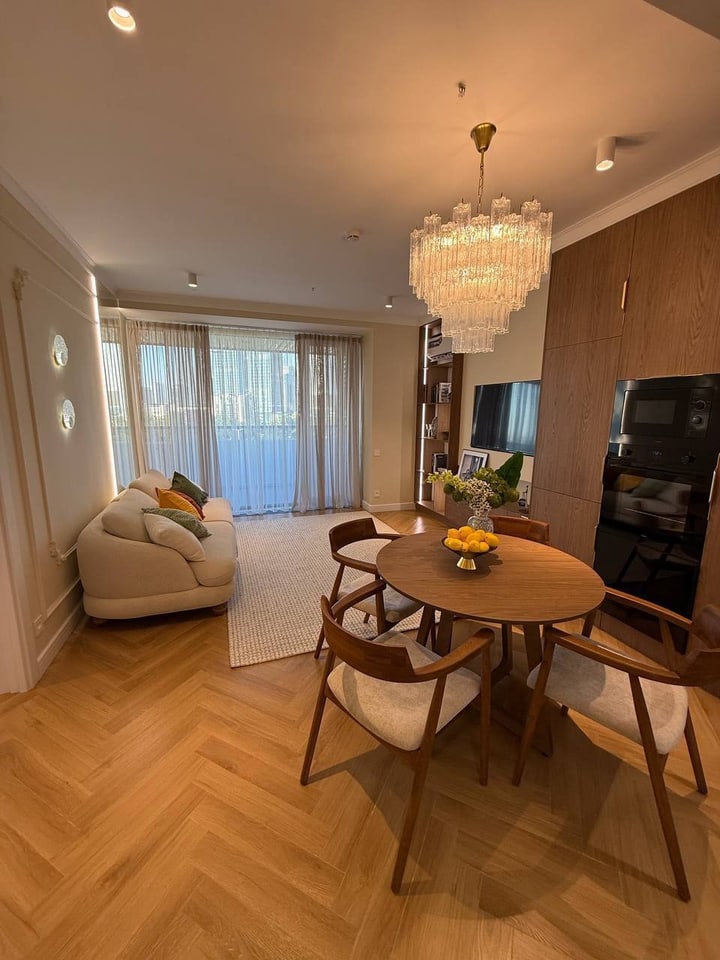
Highly valued are: the absence of unnecessary corridors
the possibility of zoning
functional kitchen-living areas
walk-in wardrobes An apartment with a well-designed layout can cost 10–20% more than comparable properties. The Impact of New Developments on the Secondary Market
Active construction in Tashkent is changing the structure of demand: older housing stock is losing competitiveness
new developments are setting new standards
the secondary market is forced to lower prices or renovate This creates a window of opportunity for investors who know how to work with overvalued properties. The rental market as a price driver Rising rents directly affect apartment prices.
This is especially noticeable in the segments of: micro-apartments
functional apartments Investors are increasingly buying property for rental income, which is further heating up the market. Buyers' mistakes in 2026
The most common mistakes: buying “based on emotion” rather than calculation
ignoring liquidity
choosing an impractical layout
overestimating the location without analyzing the infrastructure The market has become more complex, and simple solutions no longer work. Conclusion Apartments in Tashkent in 2026 are a segmented market, with different logic within each format.
The properties that perform best are those that: fit their segment
have a clear target audience
ensure liquidity and profitability Choosing an apartment wisely today is not about looking for the “best option,” but about making a precise match with the right market niche.