Market news
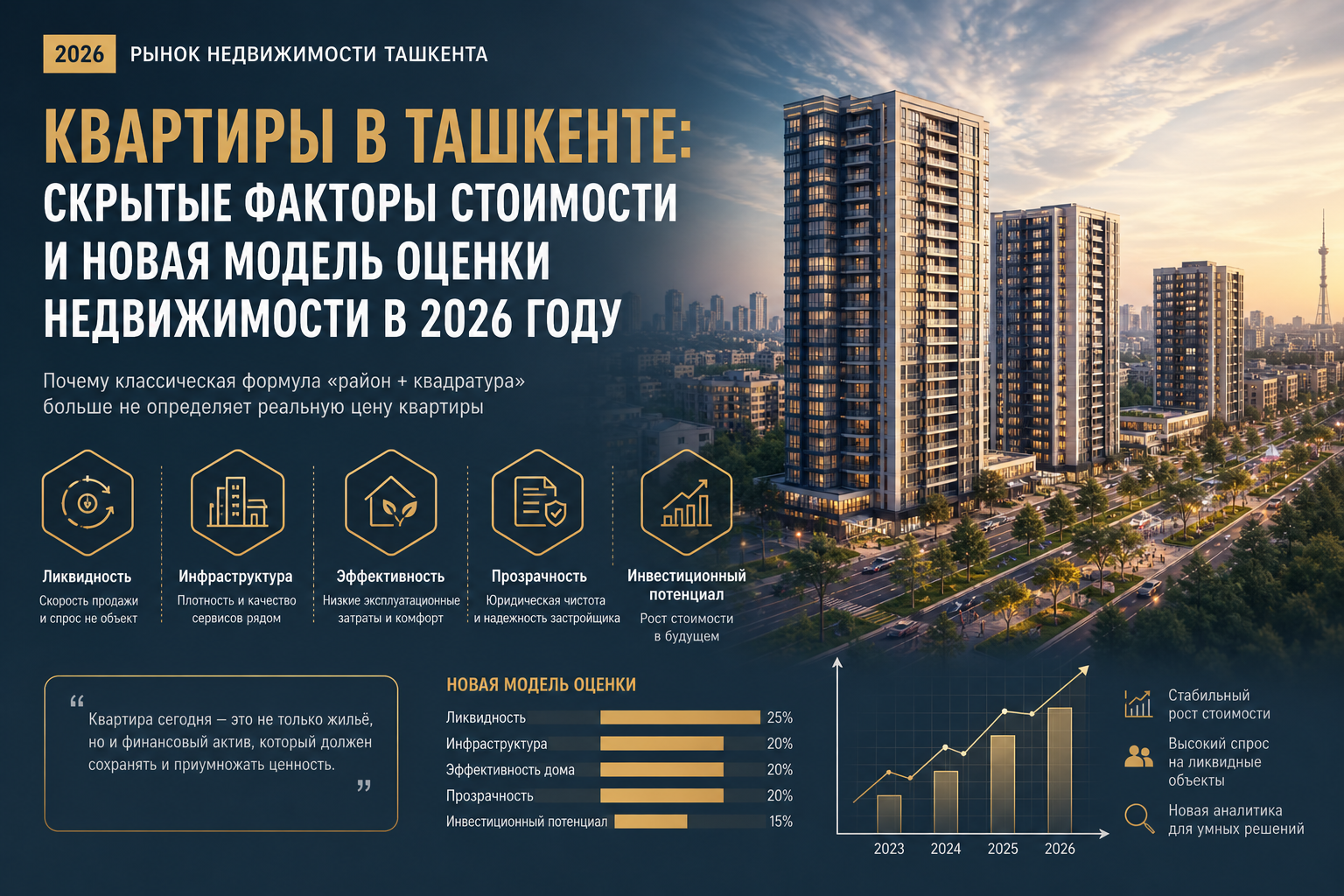
Apartments in Tashkent: hidden price factors and a new real estate valuation model in 2026
The residential real estate market in Tashkent is gradually moving away from the simplified logic of “district + square footage = price.” In 2026, apartments are evaluated as an investment instrument, where the key role is played not only by physical parameters but also by the property’s economic resilience over time. This is shaping a new analysis model in which buyers and investors look deeper than standard characteristics.
Author: Mikhail
Published: May 04, 2026
Views: 0
Why the classical apartment valuation no longer works
Previously, the price of an apartment in Tashkent was formed mainly by three factors:
district location
area
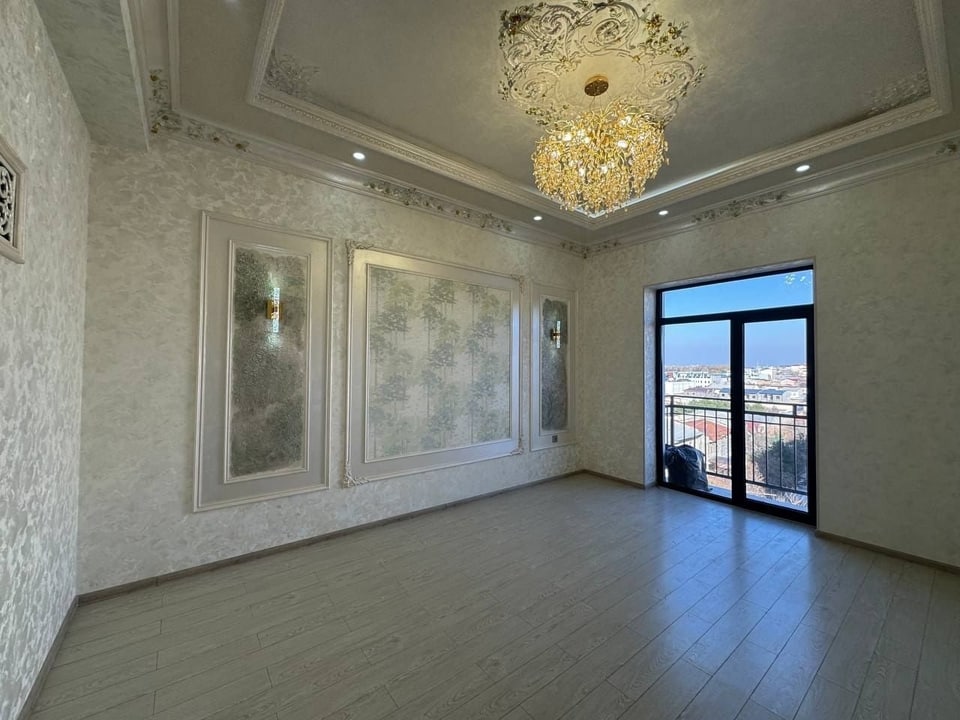
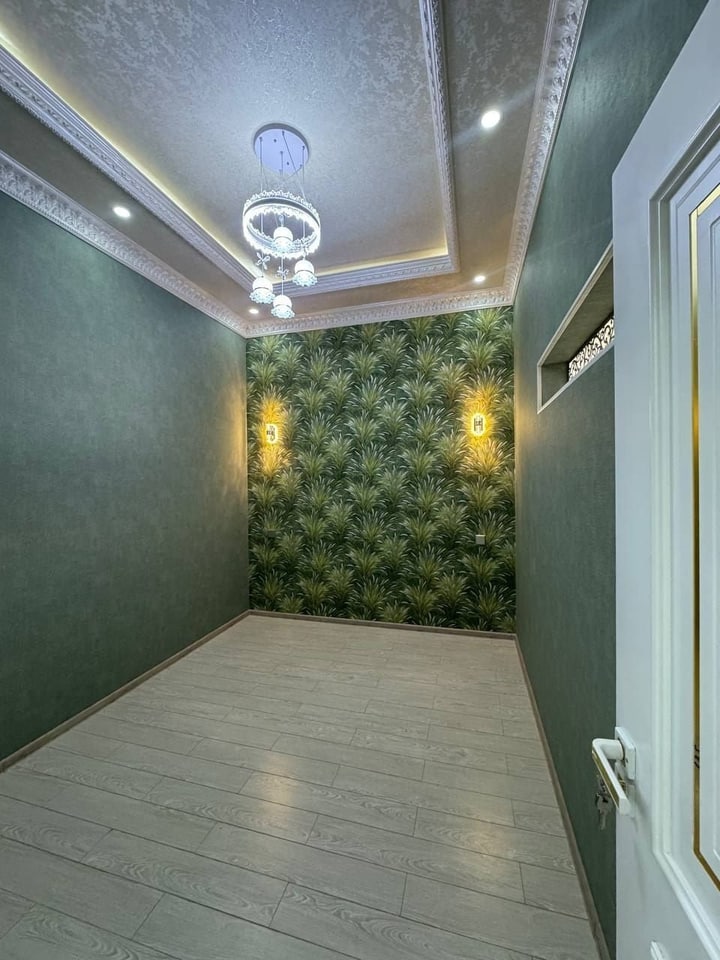
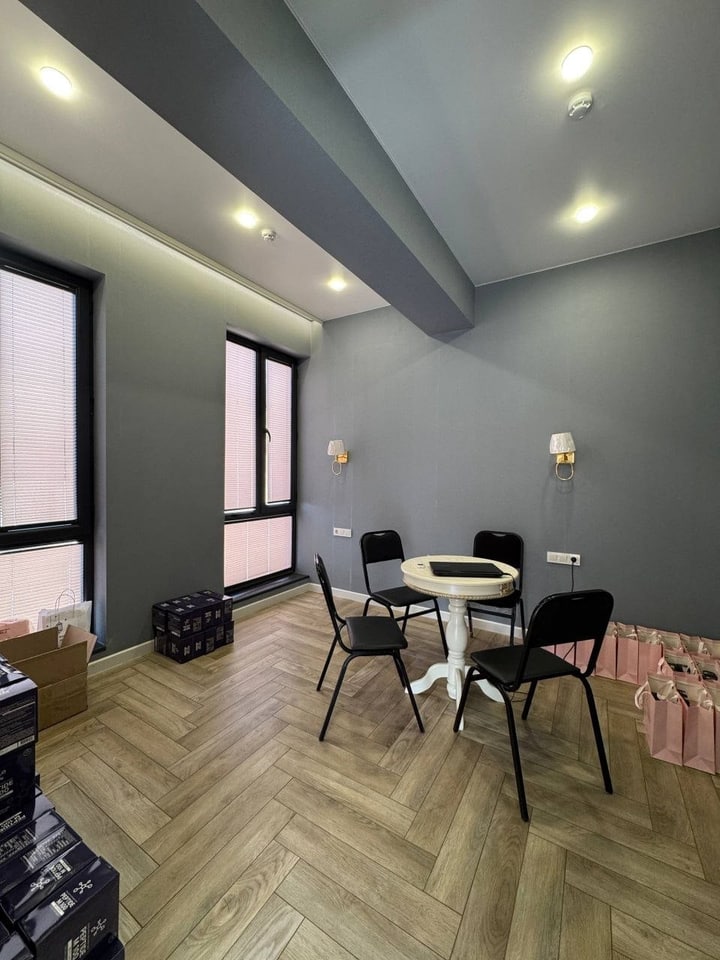
condition of renovation
Today, this is no longer enough. Even apartments of the same size in the same building may differ in price by 15–30% because of secondary factors that were previously ignored.
1. Liquidity as the main criterion
Apartment liquidity is the speed at which a property can be sold without a significant price reduction.
Liquidity is affected by:
floor and layout
availability of an elevator and parking
type of building (monolithic, brick, panel)
competition in a specific residential complex or housing estate
An apartment with high liquidity is valued more highly today, even if its current market value is not the maximum.
2. Infrastructure coefficient
This is not only about having schools and shops nearby. In 2026, the density and quality of infrastructure matter:
transport accessibility during peak hours
development of commercial premises on the ground floors
availability of services within a 5–10 minute radius
The higher the infrastructure saturation of an area, the more resilient apartment prices are to market fluctuations.
3. Energy and operational efficiency of the building
A new factor that is actively affecting value:
building insulation
quality of utility networks
utility service costs
building wear and tear
Buildings with low operating costs are gradually forming a premium segment even outside central districts.
4. Legal and project transparency
The market has become more sensitive to the legal cleanliness of properties:
land status
permit documentation
developer transparency
absence of long-term unfinished construction
Apartments in projects with high legal transparency receive a price premium due to lower risks.
5. Investment potential of the district
An important factor is not the current value, but the future one.
Investors analyze:
urban development plans
development of transport hubs
emergence of new business clusters
redevelopment of old districts
An apartment in a developing district may show higher value growth than a property in an already established central area.
How the logic of buying apartments has changed
If previously a buyer was looking for “comfortable housing,” today they simultaneously evaluate:
resale potential
value growth
rental stability
preservation of liquidity in crisis scenarios
Thus, an apartment in Tashkent is becoming not only a place to live, but also a financial asset.
Conclusion
The apartment market in Tashkent has moved into a stage of structural analysis. Price is no longer a fixed characteristic — it depends on a set of factors that shape the investment resilience of a property.
Understanding liquidity, infrastructure potential, and construction quality is becoming the key to making a smart real estate choice in 2026.